
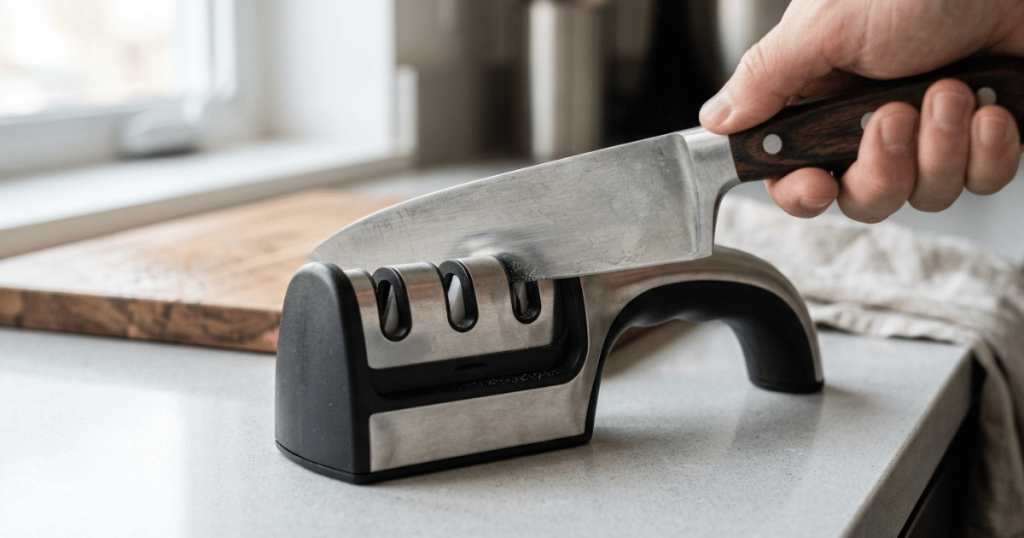
Pull-Through Sharpeners: How to Use One, and What to Keep Out
A pull-through works by forcing your edge to the angle built into its slots. That is the whole tool, and it is the reason four kinds of knife must never go near one.
A pull-through works by forcing your edge to the angle built into its slots. That is the whole tool, and it is the reason four kinds of knife must never go near one.
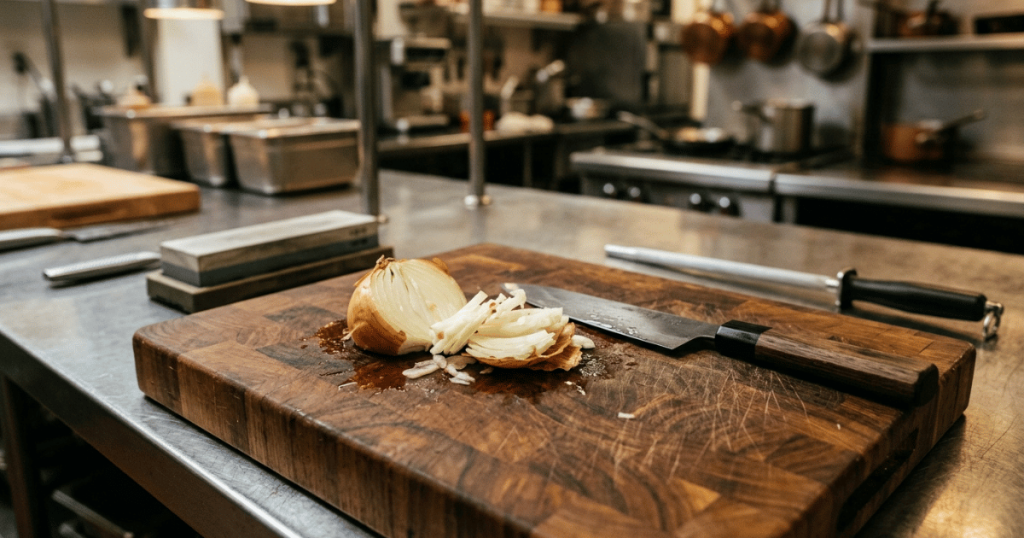
Every interval you have been given is somebody averaging over kitchens they have never seen. The five variables that actually set your interval, and the test that replaces it.
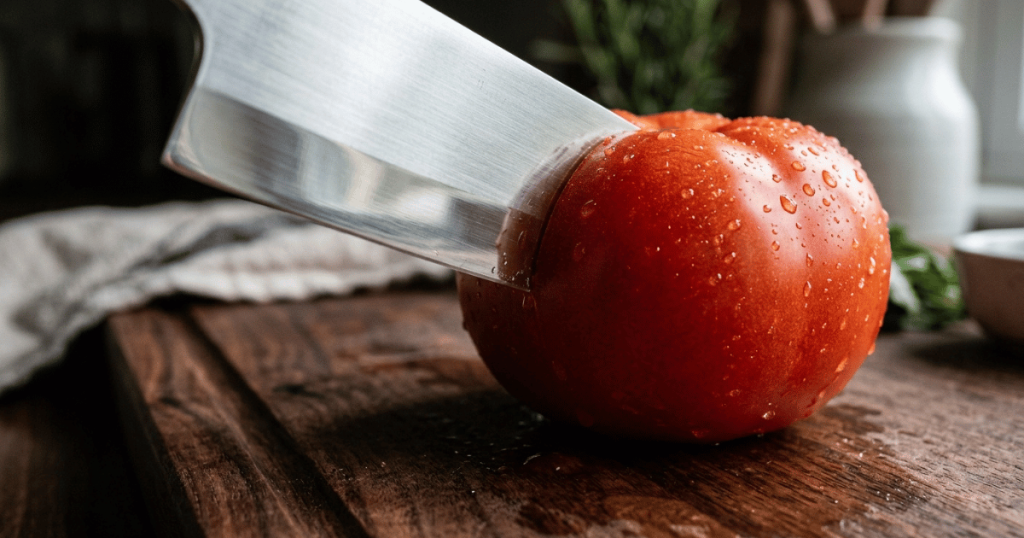
Is it dull, or is it you? Four tests that need nothing you do not own, in the order of how much they actually tell you, and the two that are worth skipping.
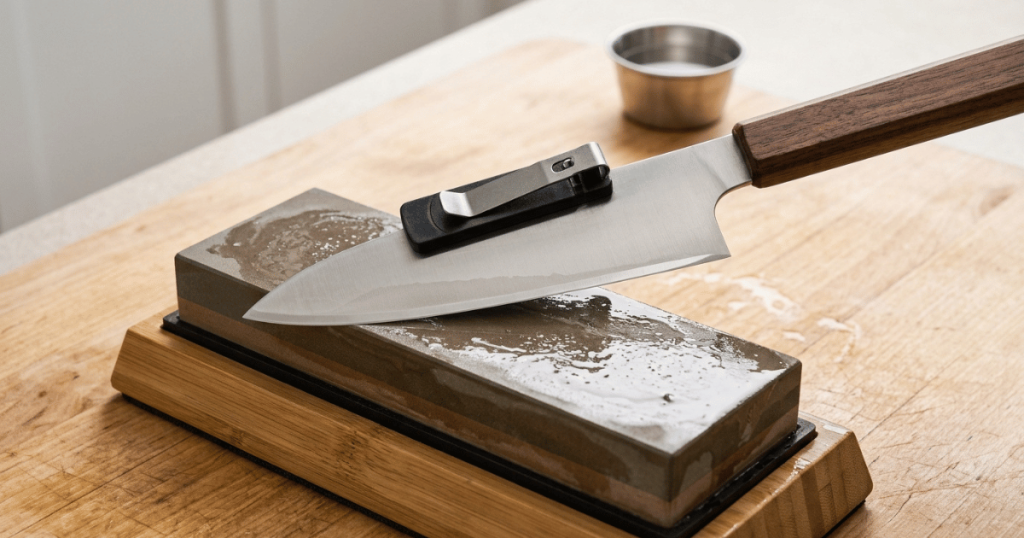
Four ranking guides give four different angles. None shows how to find the angle your knife already has. The one minute marker test, and when to change it.
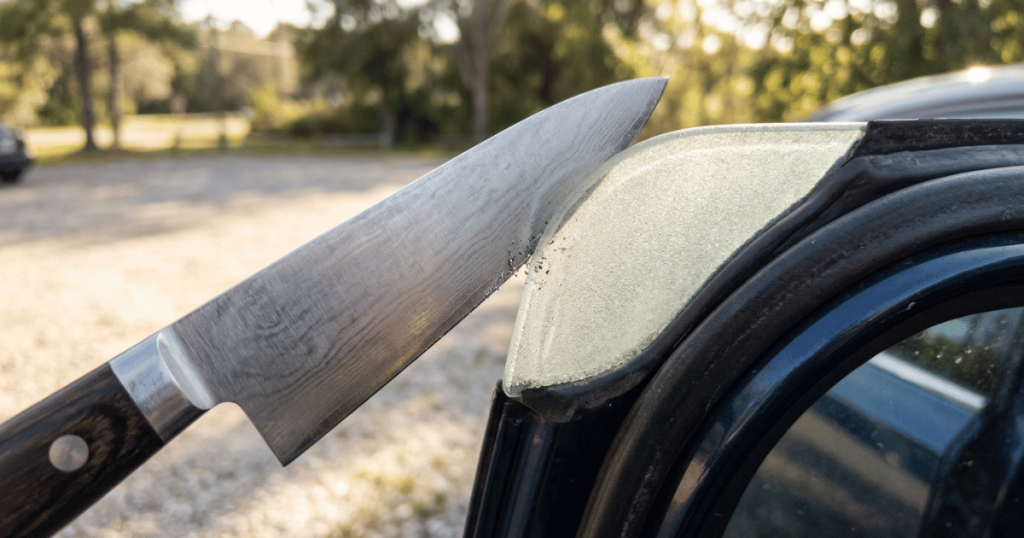
A mug bottom and sandpaper genuinely abrade steel. A leather belt only polishes. Here is which improvised method works, and how to tell if a burr formed.
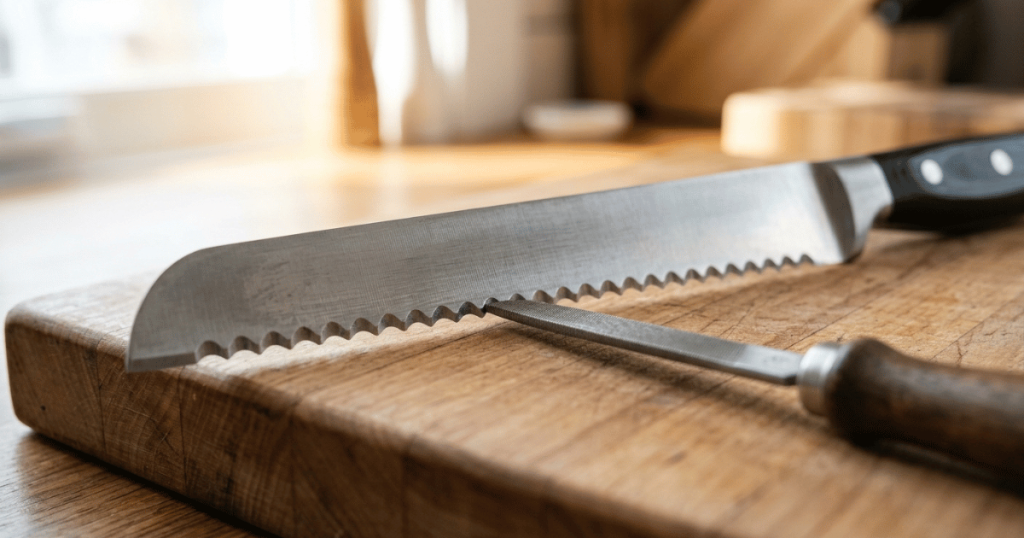
Serrated knives sharpen on the beveled side only, one scallop at a time with a tapered rod. Here is how to decide whether yours is worth doing at all.
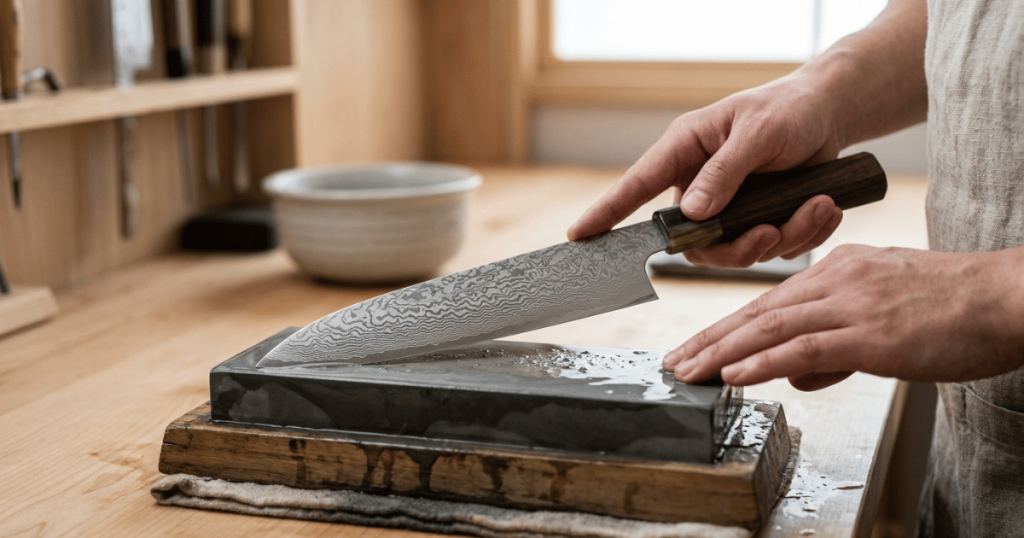
Japanese steel is harder, so it chips where Western steel bends. What actually changes: the angle, the pressure, the finish, and the tools to keep away.
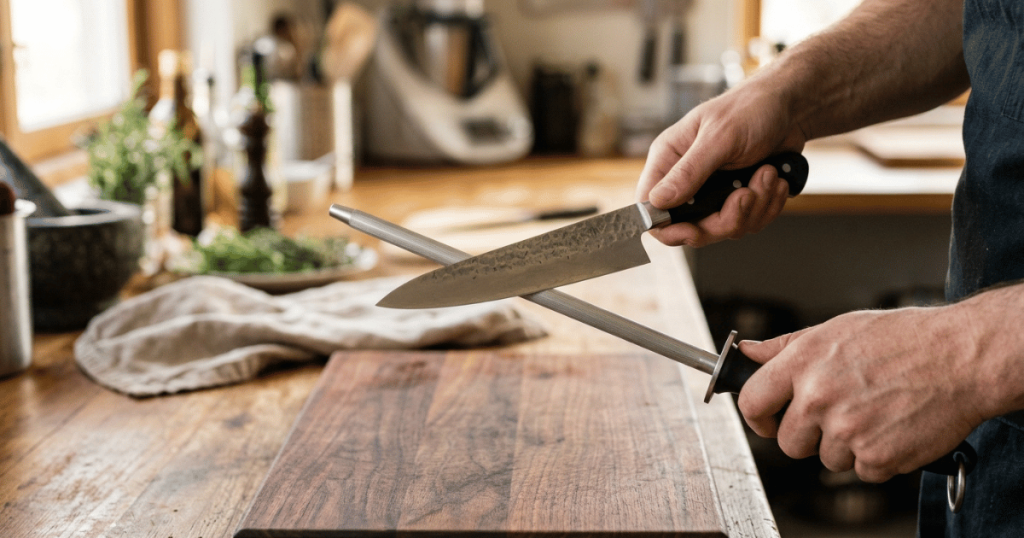
Stand the rod point down, match your maker’s angle, and draw the blade heel to tip with almost no pressure. Here is why the counts on the box disagree.
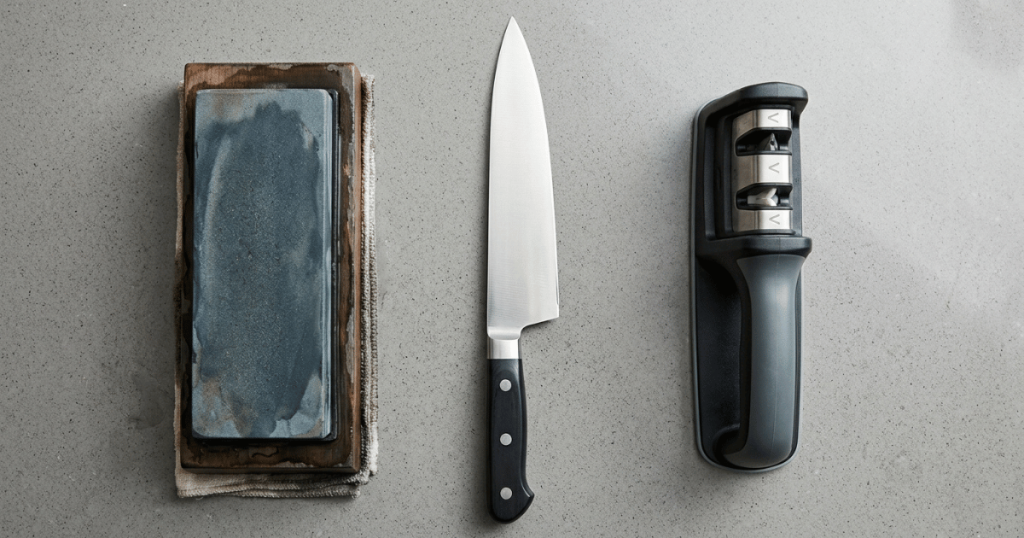
All three methods sharpen. They differ in what they cost you: metal you never get back, time you have to spend, and how badly a mistake ends.